Indonesia Grapples With Worst Wildfires in Over a Decade, Sparking Regional Haze Crisis
Indonesia is facing its most severe wildfires in over a decade, creating a significant haze crisis that blankets parts of Southeast Asia. Fires, predominantly on the islands of Borneo and Sumatra, are fueled by dry conditions linked to a "Super…

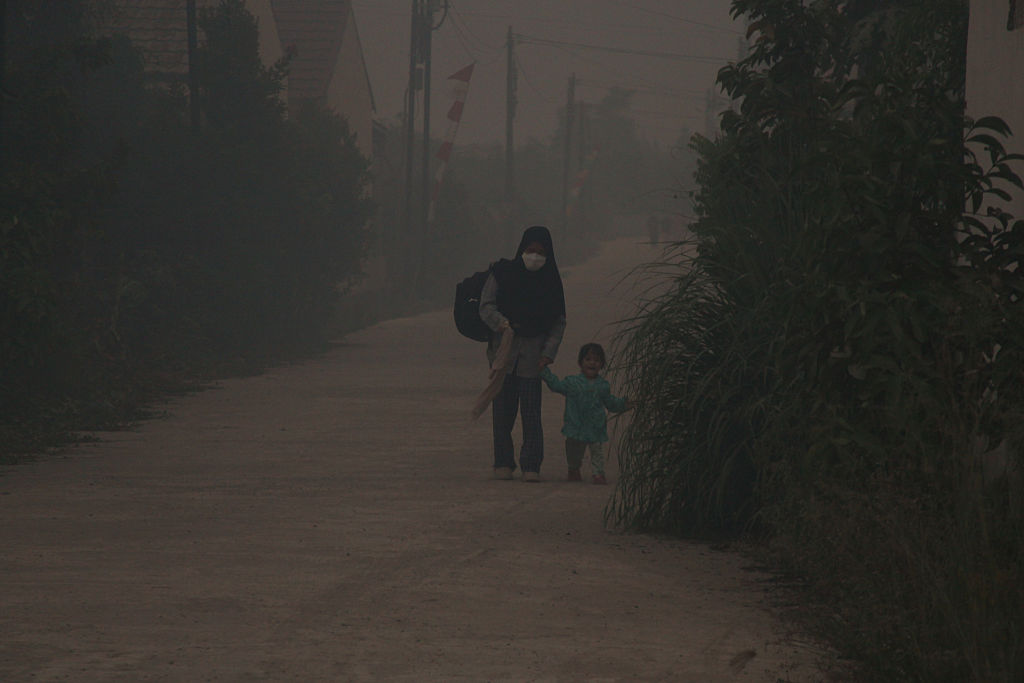
 Baltimore, MD, September 17, 2026 —
Indonesia is currently experiencing its most significant wildfire season in more than ten years, generating a widespread haze that is affecting multiple countries across Southeast Asia.
The fires are concentrated on the islands of Borneo and Sumatra. These occurrences are exacerbated by prevailing dry weather conditions, which are linked to a phenomenon known as a “Super El Niño.” Traditional methods of land clearing for agricultural purposes are also identified as a contributing factor to the ignition and spread of the fires.
The resulting dense smog poses a substantial threat to public health, impacting millions of individuals. Health issues stemming from the poor air quality are a growing concern for authorities and residents alike. The hazardous air is not contained within Indonesia’s borders; it has spread to neighboring nations, including Malaysia, Singapore, and Brunei, creating a regional environmental challenge.
Officials are engaged in active efforts to combat and control the ongoing fires. However, the situation is complex, and the fires are anticipated to continue for an undetermined period. Information regarding the specific duration of the “Super El Niño” event or the precise timeline for the full containment of the fires was not provided.
The scale of the current wildfires underscores a critical environmental and health crisis for the region, demanding sustained attention and intervention from both national and international bodies.
Story summarized from the original created by Miranda Jeyaretnam on time.com, see more information here.
Media gallery