Coasters, Cobblestones, and Meltdowns: How to Survive the Ultimate Williamsburg Theme Park and History Marathon
WILLIAMSBURG, VA, UNITED STATES, November 12, 2026 /EINPresswire.com/ -- Domestic leisure tourism patterns are

Press Release Disclaimer: This is a press release distributed through the XPR Media network. It has not been independently verified by our newsroom.

WILLIAMSBURG, VA, UNITED STATES, November 12, 2026 /EINPresswire.com/ — Domestic leisure tourism patterns are increasingly defined by high-contrast itineraries as families seek to combine disparate educational and high-stimulus recreational activities within a single journey. According to the 2025 Family Travel Survey conducted by the Family Travel Association (FTA) and the NYU School of Professional Studies, 45% of traveling families prioritize theme or water parks, while a significant portion of multi-generational travel groups simultaneously incorporate historical, museum, and cultural excursions into their travel plans. However, the survey also highlights that 73% of parents identify affordability as their primary operational obstacle, with 50% actively selecting accommodations featuring fully equipped kitchens to mitigate the escalating cost of food and beverage services at major attractions. This intersection of multi-activity planning and budget consciousness is reshaping travel patterns in prominent regional heritage markets.
The synthesis of historical immersion and high-velocity entertainment often induces sensory fatigue among younger cohorts, compelling travel coordinators to restructure their traditional scheduling models. When developing a balanced family vacation Williamsburg VA itinerary, contemporary planners are steering away from rigid, single-focus schedules that combine consecutive days of high-intensity theme park tracking or extended museum walks. Market tracking from destination management organizations indicates a rising preference for distributed itineraries that intersperse high-demand activity blocks with designated physical decompression intervals. By shifting lodging bases to multi-functional suite layouts located outside the high-premium attraction perimeters, traveling parties can preserve group cohesion while containing overall travel expenditures.
The historic tourism corridor of Williamsburg, Virginia, serves as a functional environment for this dual-recreational routing. The geographical distribution of the market requires visitors to transition between the low-density 18th-century layouts of Colonial Williamsburg and the high-volume, high-thrill environment of Busch Gardens Williamsburg. Navigating this operational layout without intermediate downtime can accelerate traveler burnout. Consequently, regional travel analytics note a distinct migration toward centralized transit corridors like Richmond Road, which offers immediate vehicular access to both endpoints. This placement permits families to establish a stable logistical base camp, allowing rapid transitions between historical education and amusement infrastructure while utilizing local commercial amenities.
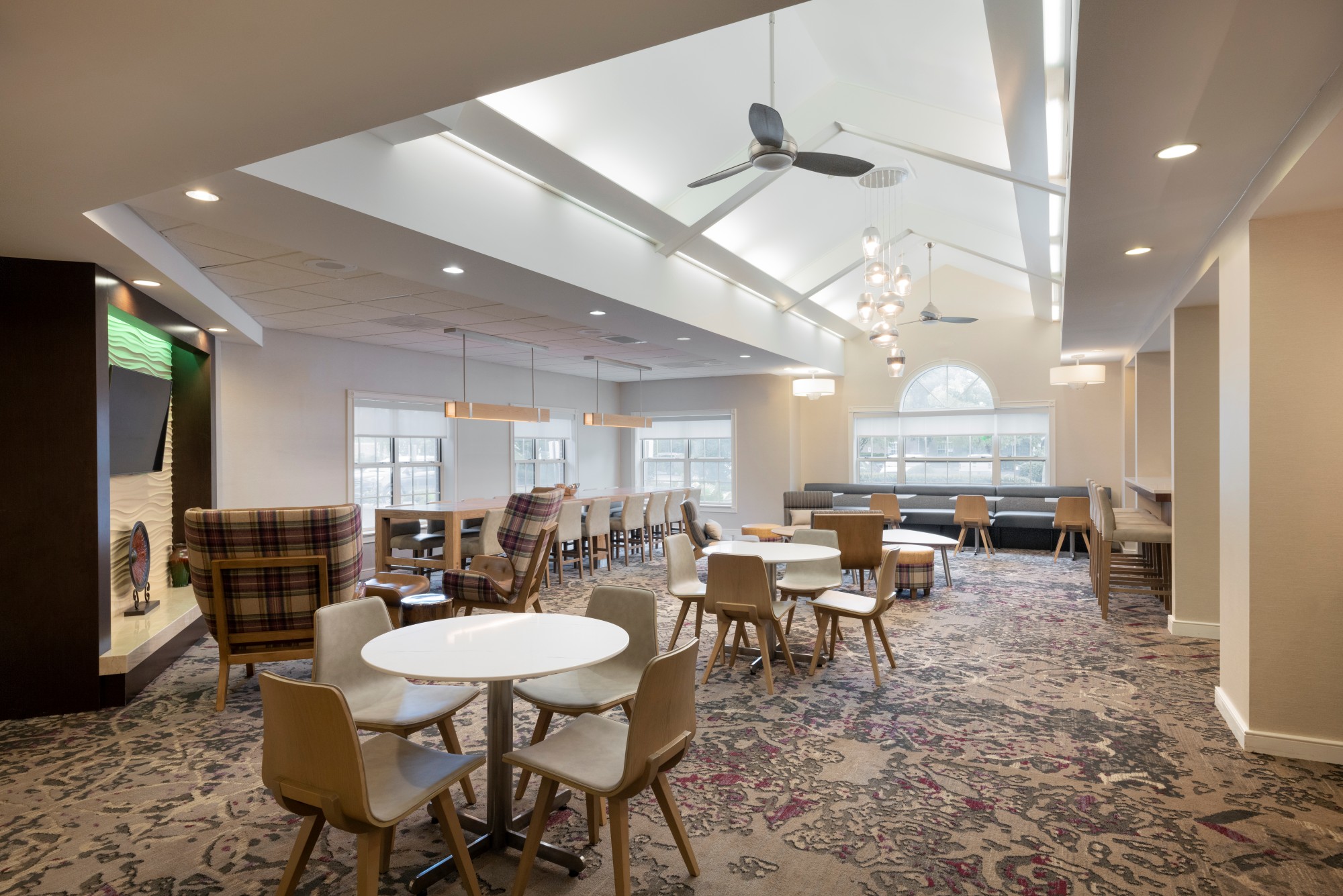
Hospitality providers situated along this commercial axis are adjusting their inventory models to align with these hybrid family travel requirements. The Residence Inn by Marriott Williamsburg, positioned on Richmond Road, serves as an example of a property configured to absorb these multi-purpose visitor flows. Rather than providing compact, single-room configurations that offer limited space for post-activity recovery, the hotel features extended-occupancy layouts with distinct living and sleeping zones. This architectural model addresses the consumer demand for spatial segregation, enabling parents to establish separate rest areas for children following high-step-count itineraries while providing the infrastructure necessary to manage independent dining schedules away from high-premium theme park venues.
Architecturally, the Residence Inn by Marriott Williamsburg comprises a four-story structural layout originally constructed in 1999, housing a total inventory of 108 all-suite guest accommodations. The property incorporates 400 square feet of dedicated indoor meeting and event infrastructure, consisting of a single conference room designed to hold up to 25 individuals for group briefings or small gatherings. On-site functional assets encompass an outdoor swimming pool, a sport court for recreational activities, and a 24-hour fitness room outfitted with contemporary cardiovascular training machinery. Individual guest units are standardly configured with fully realized kitchens—featuring a stovetop, microwave, full-size refrigerator, dishwasher, and standard cooking utensils—alongside dedicated workspaces, flat-screen TVs, and independent internal climate control mechanisms.
Laurean Love
HHM Hotels
+1 215-238-1046
email us here
Visit us on social media:
Facebook
Other
Legal Disclaimer:
EIN Presswire provides this news content “as is” without warranty of any kind. We do not accept any responsibility or liability
for the accuracy, content, images, videos, licenses, completeness, legality, or reliability of the information contained in this
article. If you have any complaints or copyright issues related to this article, kindly contact the author above.

Media gallery