
Printify Publishes New Guide to Designing T-Shirts, From First Sketch to Print Method and Online Sale
The step-by-step resource compares screen printing, DTG, DTF, dye sublimation, and embroidery, and lists free and paid

Press Release Disclaimer: This is a press release distributed through the XPR Media network. It has not been independently verified by our newsroom.
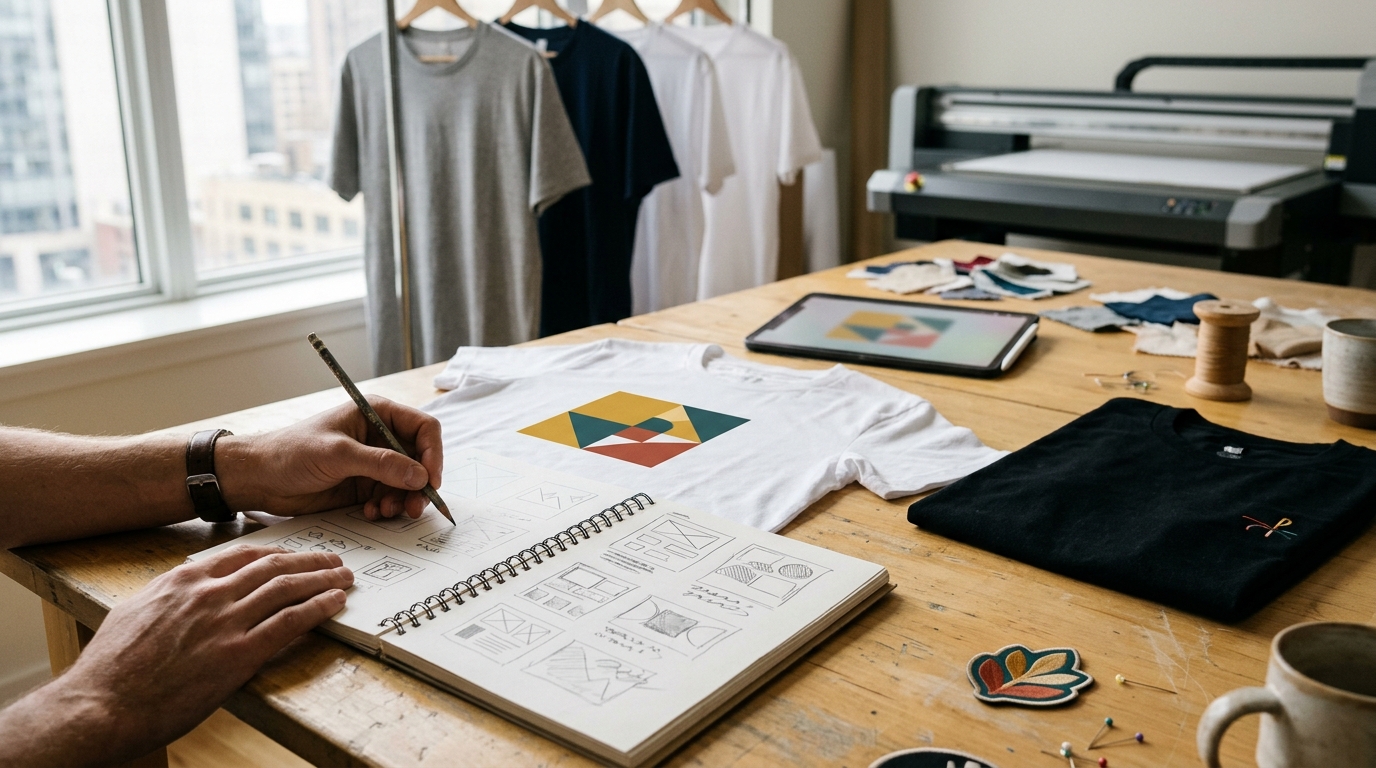

The step-by-step resource compares screen printing, DTG, DTF, dye sublimation, and embroidery, and lists free and paid design tools for beginners and pros
WILMINGTON, DE, UNITED STATES, October 27, 2026 /EINPresswire.com/ — Printify, a leading print-on-demand platform, has released a comprehensive guide to designing a t-shirt in 2026. The resource, published on the Printify blog, takes readers from defining a purpose and audience through brainstorming, software choice, garment selection, and feedback, then explains how to pick a printing method, apply core design principles, and turn a finished design into a product that sells online without inventory or minimum orders.
A Five-Step Design Process
According to the guide, every strong design starts with a clear purpose and audience, whether that is business branding, a school or sports event, or a gift for casual wear. Printify recommends brainstorming with inspiration from Pinterest, Instagram, and Google Trends, then choosing software that matches skill level and budget. Free options include Canva, GIMP, and Printify’s own Product Creator, while Placeit, Adobe Photoshop, and Adobe Illustrator serve designers who want paid, professional tools.
The next steps are selecting the right garment and gathering feedback. The resource points to the Printify Catalog for base t-shirts in a range of styles, colors, fabrics, and fits, and advises sharing mockups with friends, colleagues, or followers before finalizing a design. Sellers researching the wider market can also read Printify’s roundup of Custom Ink alternatives and its Printify vs RushOrderTees comparison.
Design Principles and Printing Methods
The guide highlights five fundamentals: simplicity, originality, color harmony, readability, and a balance between trends and timeless appeal. Printify notes that a clean logo, witty phrase, or minimal illustration often outperforms a crowded layout, that light fonts belong on dark shirts and dark colors on light fabrics, and that thin lines and tiny details can disappear in print. Placement matters too: a centered chest print is classic, left-chest placement feels professional, sleeve prints add subtle detail, and all-over prints make a bold statement.
On production, the resource compares five methods. Screen printing suits bulk orders with few colors, since each added color raises time and price. Direct-to-garment printing works like an inkjet printer and fits small orders with detailed, colorful graphics on cotton. Direct-to-film printing handles many fabrics, including blends that DTG struggles with. Dye sublimation is best for all-over prints on polyester, and embroidery uses thread for logos, monograms, or text on thicker items such as polos, hoodies, and hats.
From Finished Design to Online Sales
For creators who want to sell their work, the guide lays out a six-step roadmap: sign up for a free Printify account, choose a base garment from the Catalog, upload the artwork in Product Creator and preview it on mockups, connect a store on Shopify, Etsy, eBay, or another ecommerce platform through Printify’s integrations, set a retail price, and promote the products through social media, ads, influencers, or video. Printify handles printing, shipping, and fulfillment with no minimum orders required, so sellers can launch custom t-shirts without holding stock. The FAQ adds that original artwork needs no license, while copyrighted logos, characters, or phrases require permission from the rights holder.
“A good t-shirt design reads clearly from across a room and means something to the person wearing it. Print on demand removes every other barrier between the idea and the sale,” said Davis Sarmins, Director of Growth Marketing at Printify.
About Printify
Printify is a leading print-on-demand platform that connects ecommerce merchants with a global network of Print Partners. With the industry’s largest Catalog, free AI design tools, and seamless integrations with major ecommerce platforms, Printify enables sellers to scale custom product businesses without upfront costs.
Maria Onzain
Printify Inc.
Visit us on social media:
LinkedIn
Instagram
Facebook
YouTube
TikTok
X
Legal Disclaimer:
EIN Presswire provides this news content “as is” without warranty of any kind. We do not accept any responsibility or liability
for the accuracy, content, images, videos, licenses, completeness, legality, or reliability of the information contained in this
article. If you have any complaints or copyright issues related to this article, kindly contact the author above.

Media gallery


